Why the cultures that endure are the ones people return to.
The real signal of culture is not scale. It’s return.
People returning — to the same place of curiosity and openness, and to one another — again and again. Over time something subtle begins to take shape. Cultural codes emerge. New people arrive, sense the patterns, and add their own energy to what comes next.
Throughout history, enduring cultures have followed the same pattern: not spectators, but participants — people stepping into rituals, traditions, and gatherings that evolve over time. This is the shift many brands are beginning to recognize: audiences don’t build culture. Belonging does.
70% of CMOs now say building communities is a top strategic priority (Deloitte). Meanwhile around 80% of brand growth comes from advocacy — people recommending something they genuinely believe in to others they trust (BCG).
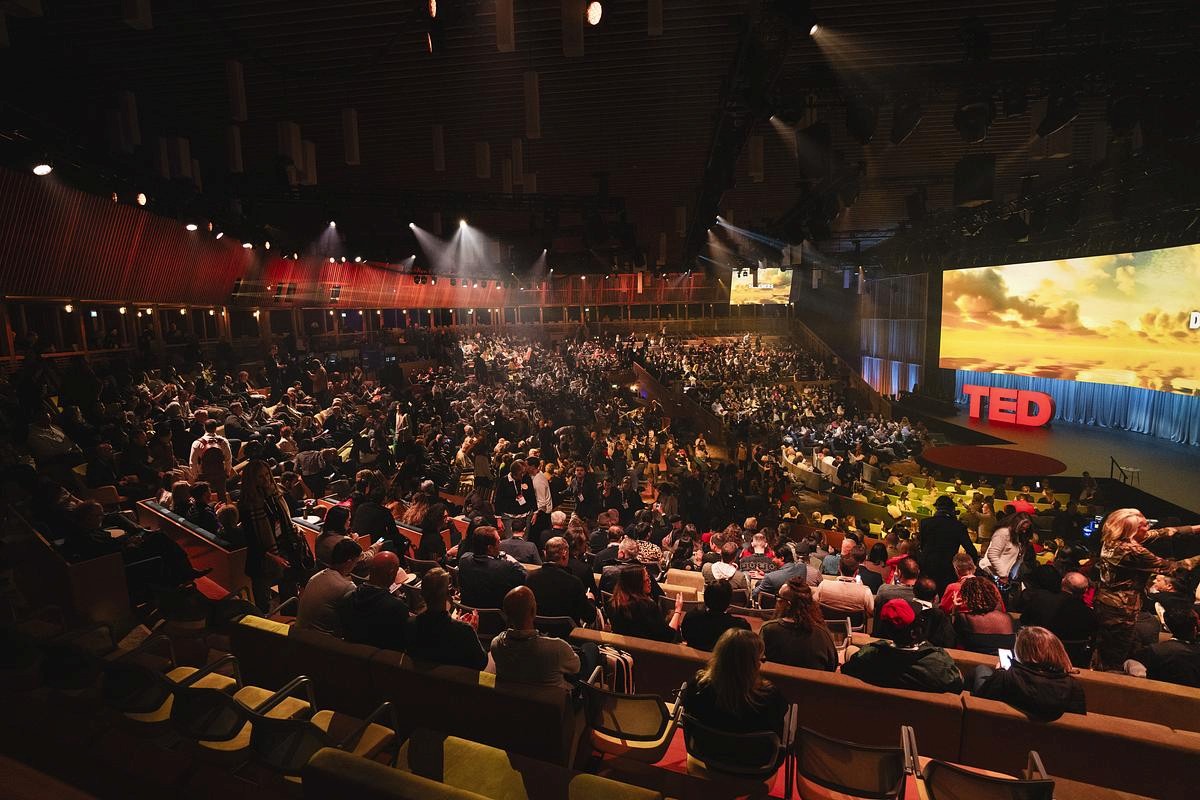
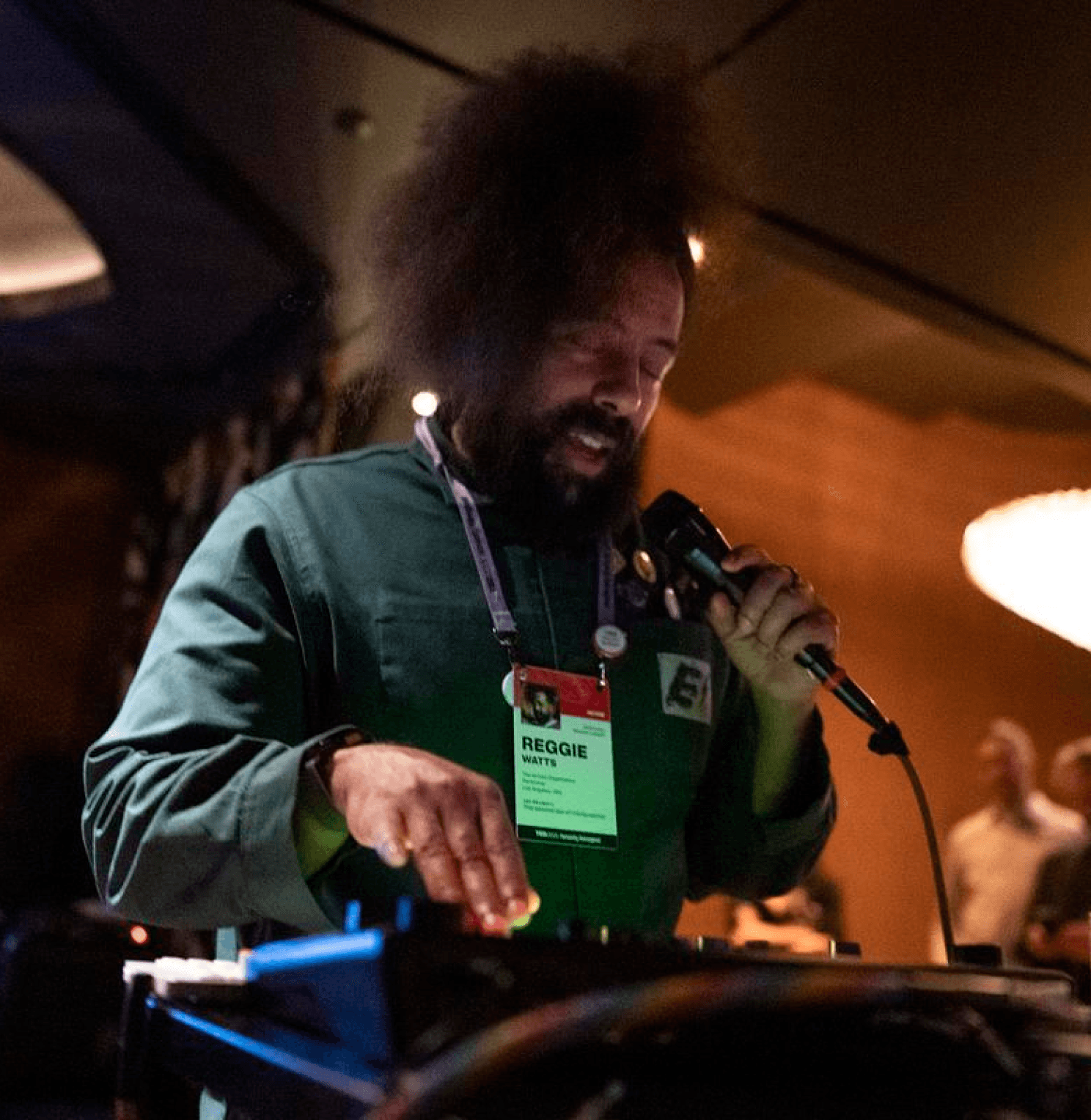
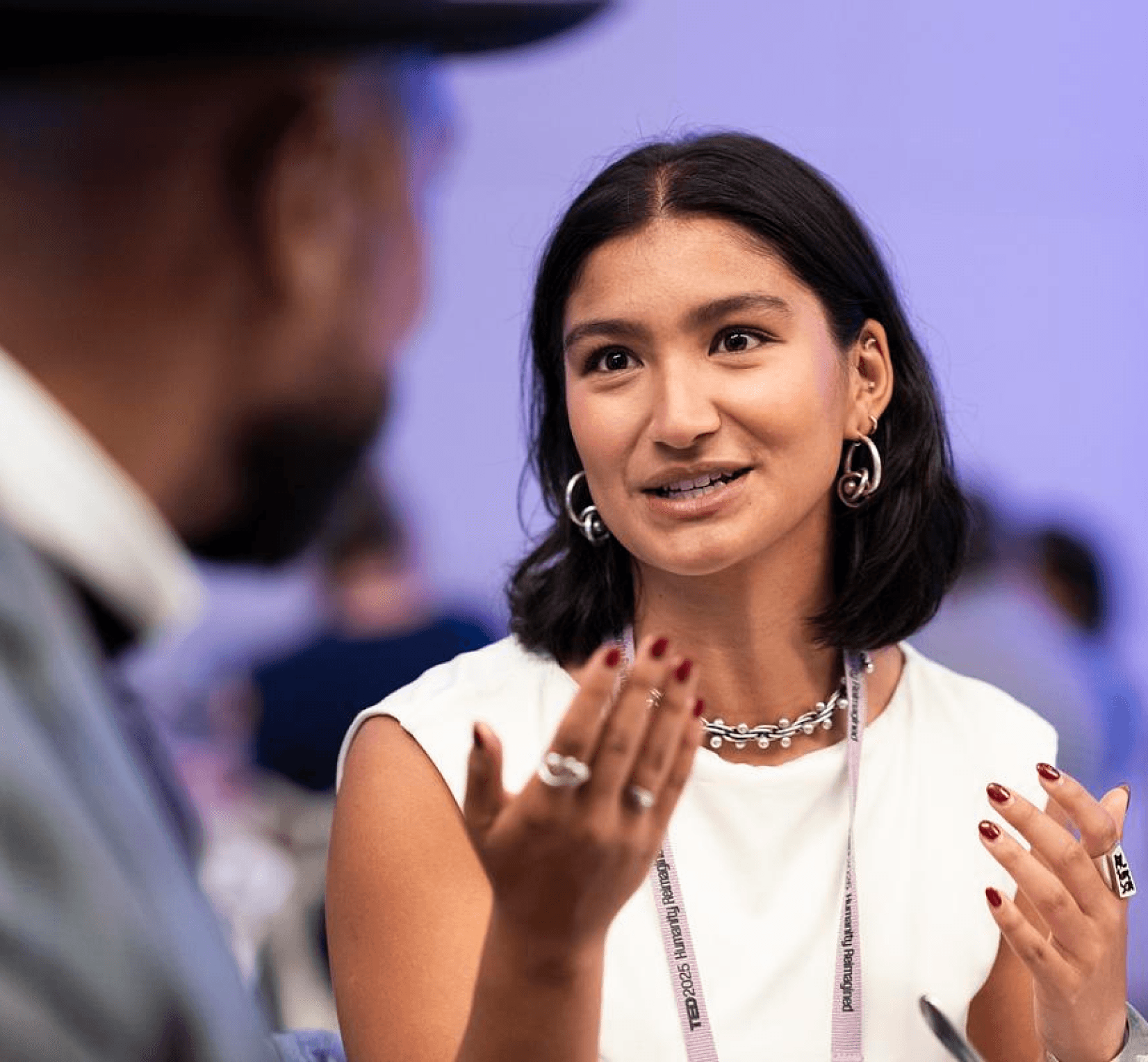
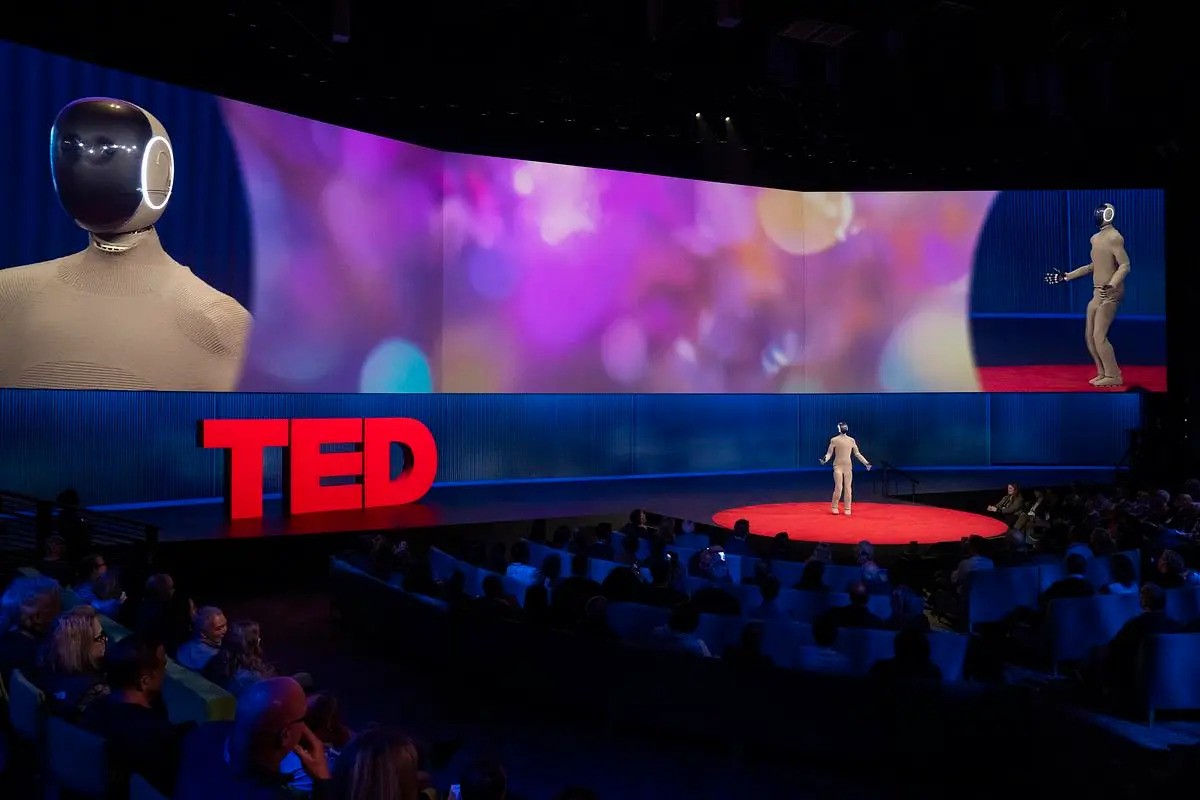
For over a decade I’ve experienced this kind of belonging inside the global TED community. No other community has had a more profound effect on my life — both professionally and personally.
While most people engage with TED through the medium of the Talks (in 2025 alone they were viewed 1.71 billion times), what’s less visible is the global community of curious, generous and brilliant individuals who gather around those ideas and quietly power the platform — ensuring TED Talks remain free and accessible to everyone, everywhere.

Next week, 1,500 extraordinary individuals will journey to Vancouver for TED2026: All of Us — the world’s most iconic ideas festival — immersing themselves in the connection, awe and sense of possibility that define this community. Moments like this reveal what participation actually looks like in practice. Ideas deepen. Collaborations form. Friendships begin.
Entire movements emerge from conversations between Talks, over shared meals, or in unexpected moments of recognition. Fandom rarely begins as a viral moment online. It begins much earlier — in gatherings where individuals feel part of something larger than themselves. The internet may amplify culture. But the conditions that create it are almost always human first.
And that is why the cultures that endure aren’t built through audiences.
They are built through belonging — and through the people who return to one another.
Article by

Felicity Fellows
Founder STAN Paris,
Co-Founder & CSO STAN Group